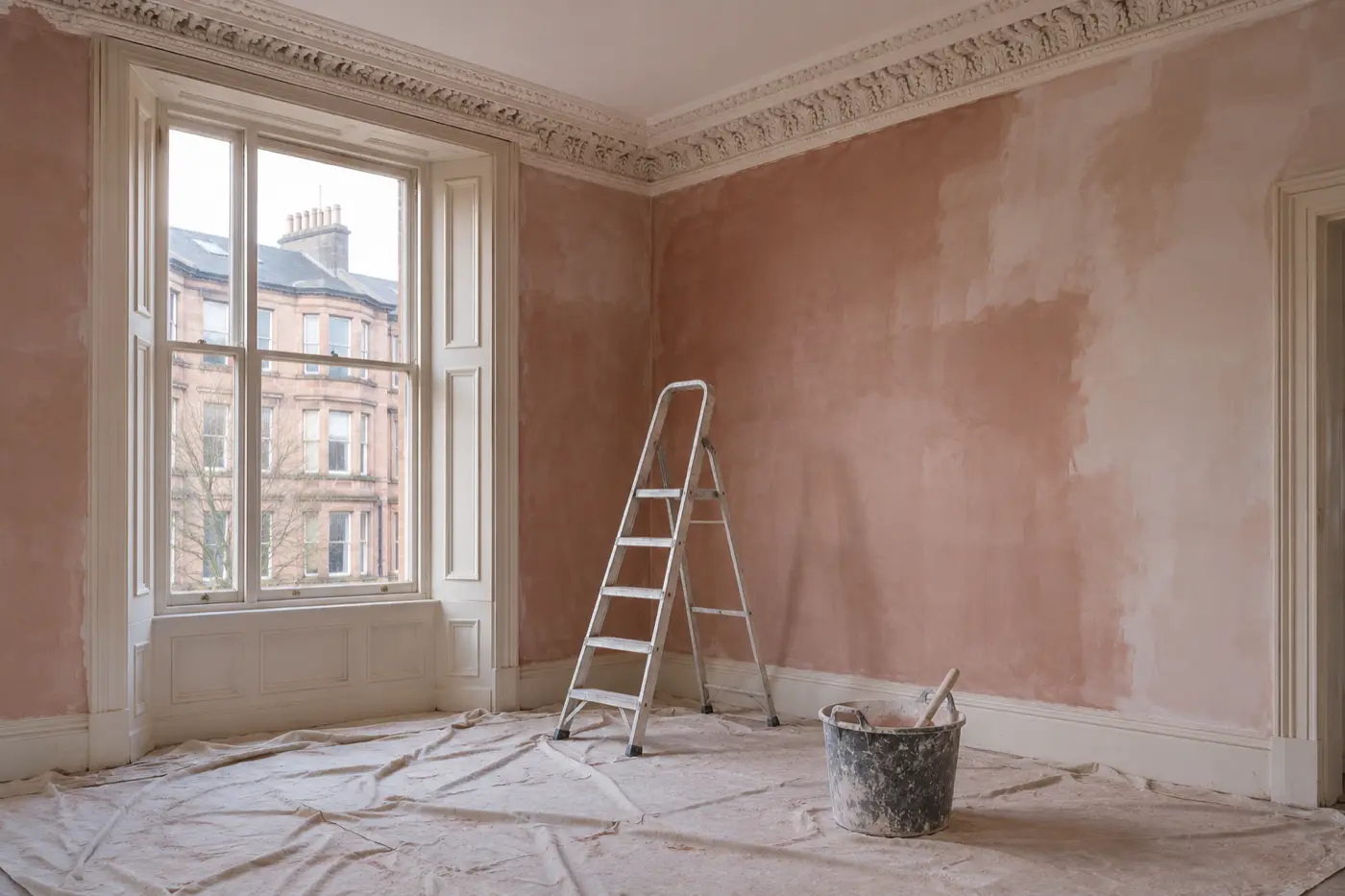
Find a good plasterer in Glasgow.
Tell us the job (a ceiling, a room, a tenement cornice, a roughcast gable) and we pass it to one of the best plasterers in Glasgow who covers your area. They get in touch to arrange a quote.
The best plasterers in Glasgow, matched to your job.
01GuideBelow: what plastering costs in Glasgow, how to find the best plasterers in Glasgow for your job, how to tell if you need a skim or a re-plaster, and what to do about tenement ceilings, artex and roughcast. To get a price for your job, fill in the form at the bottom.
- We pass jobs to local plasterers
- Glasgow and the surrounding towns
- Free to use
Jobs the best plasterers in Glasgow do
02JobsPick the closest one in the form and we send it to a plasterer who does that type of work.
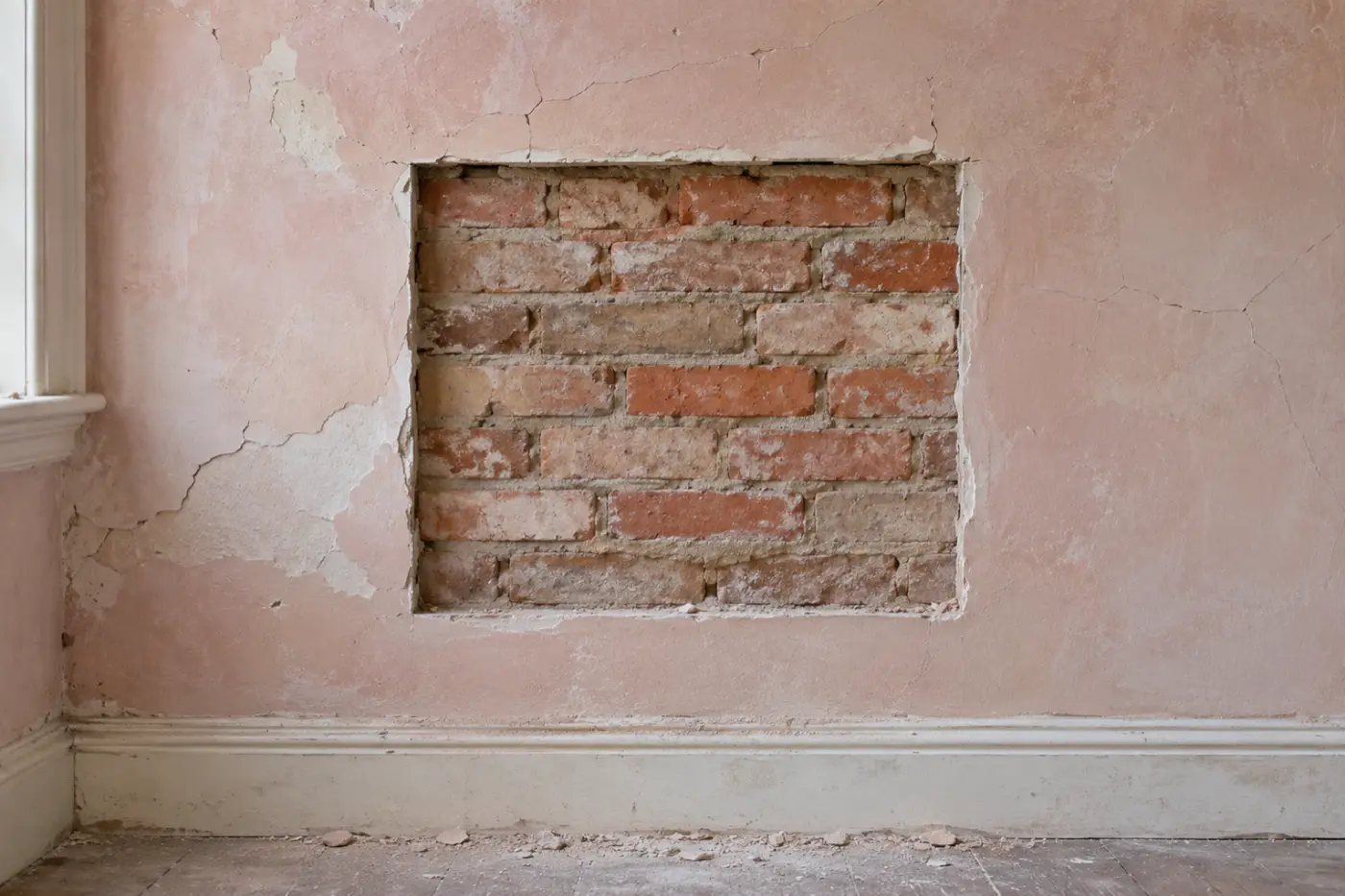
-
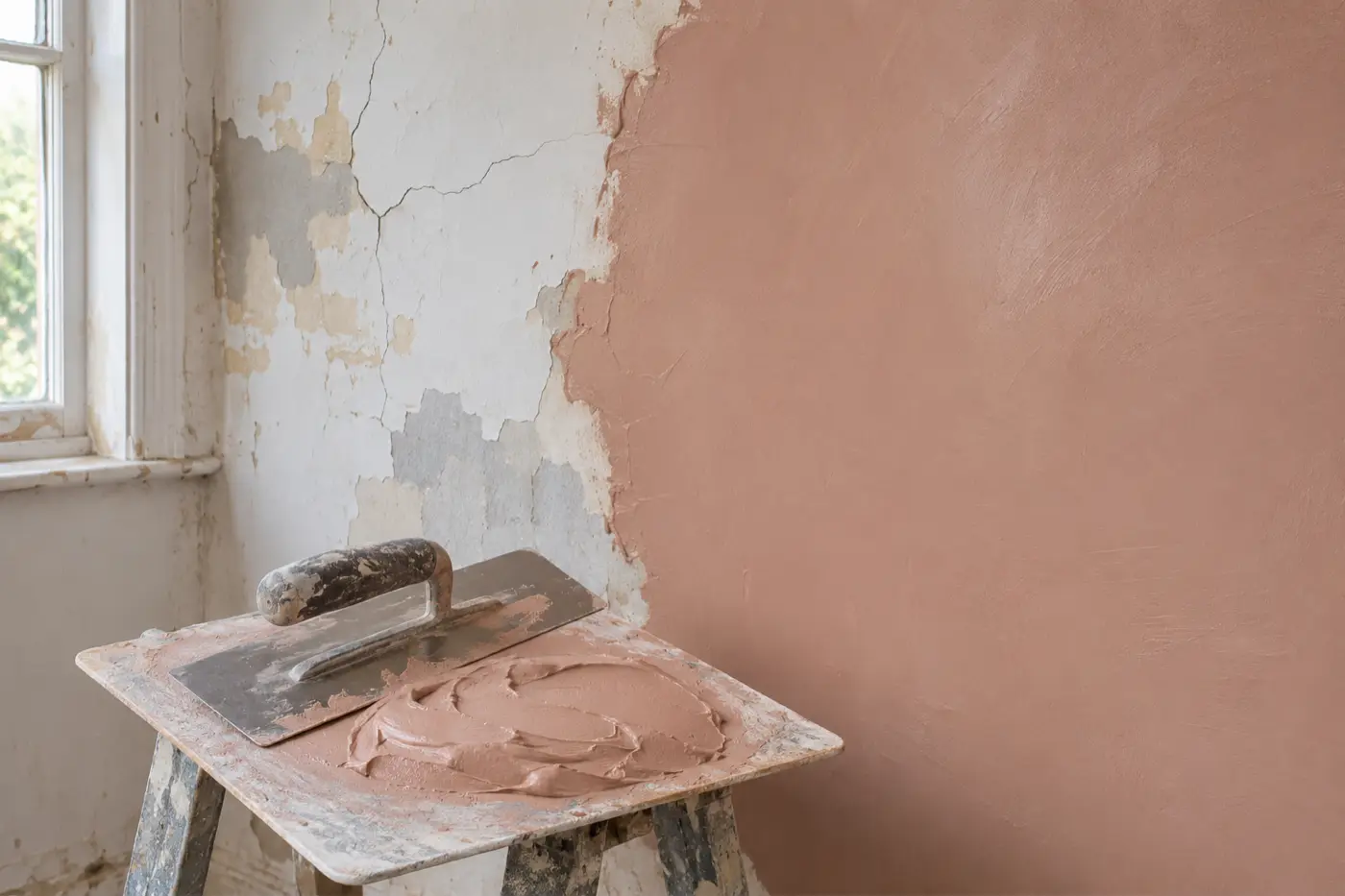
Skim walls & ceilings
A thin finishing coat, about 2 mm for gypsum, over walls that are sound and prepared. Usually done before decorating, on walls that are patched or have had paper stripped.
-
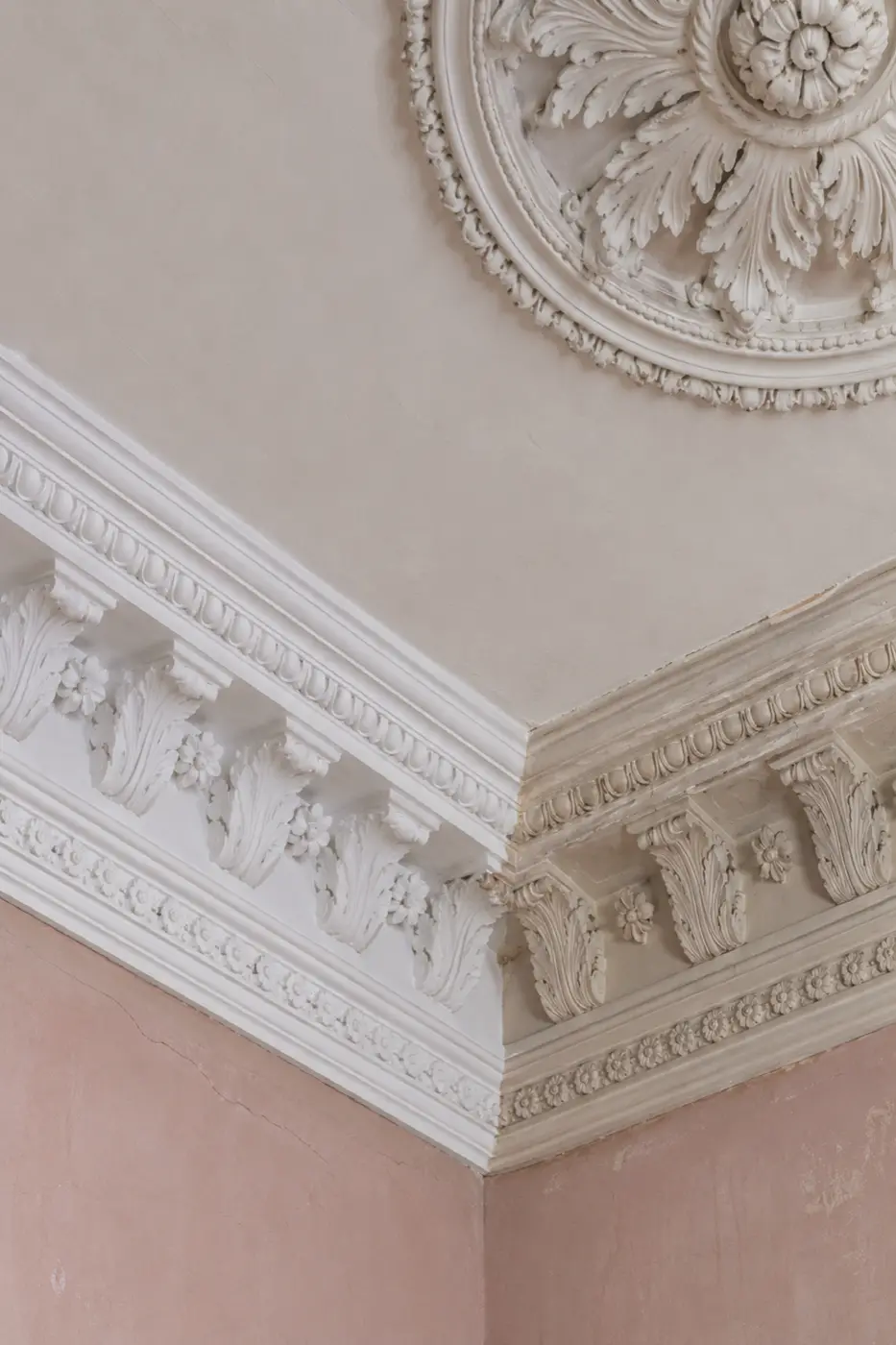
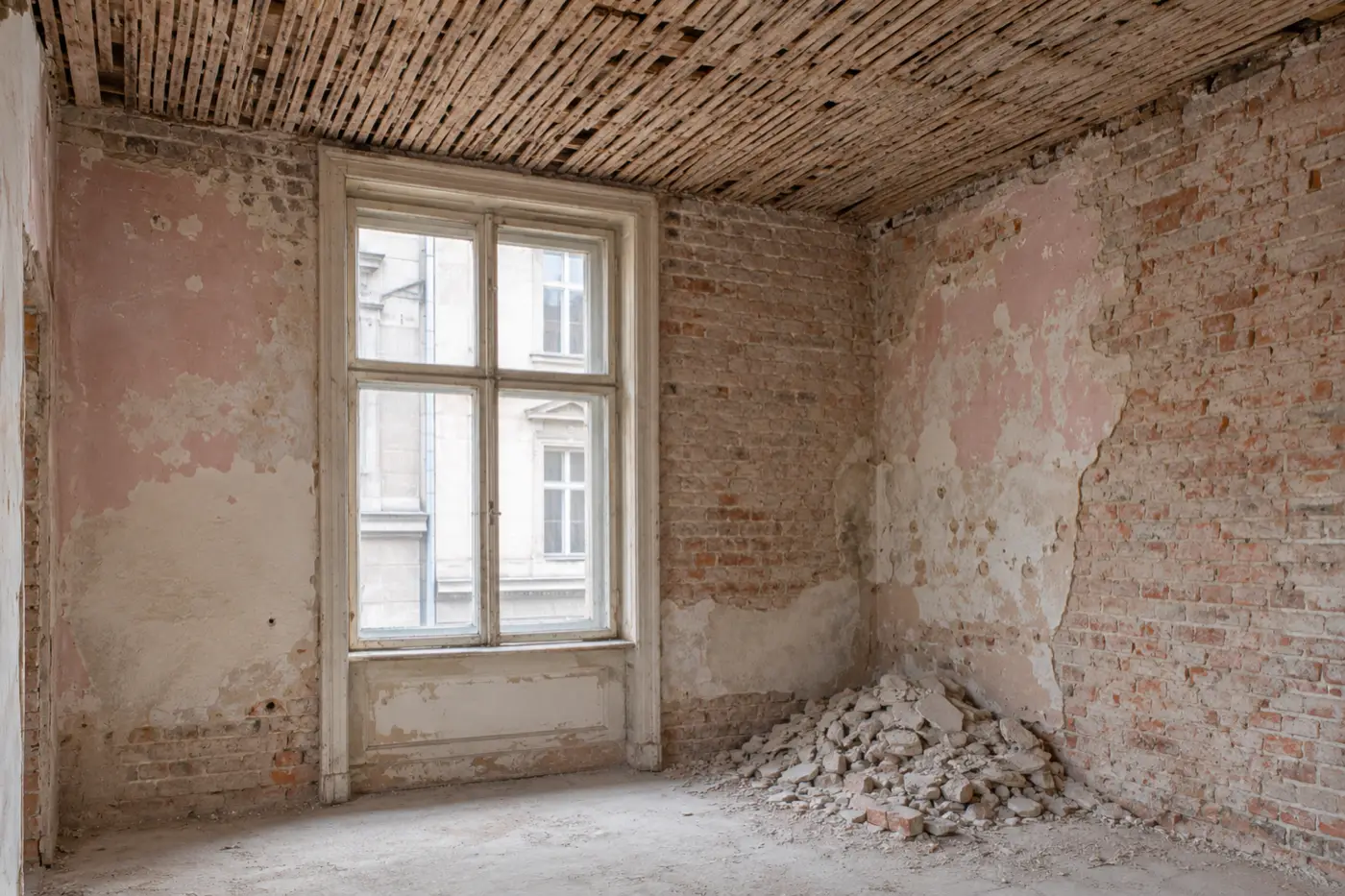
Tenement ceilings & cornices
Lath and plaster ceilings that crack or sag, and cornices to repair or run to match. Not every plasterer does cornice work, so these jobs go to one who does.
-
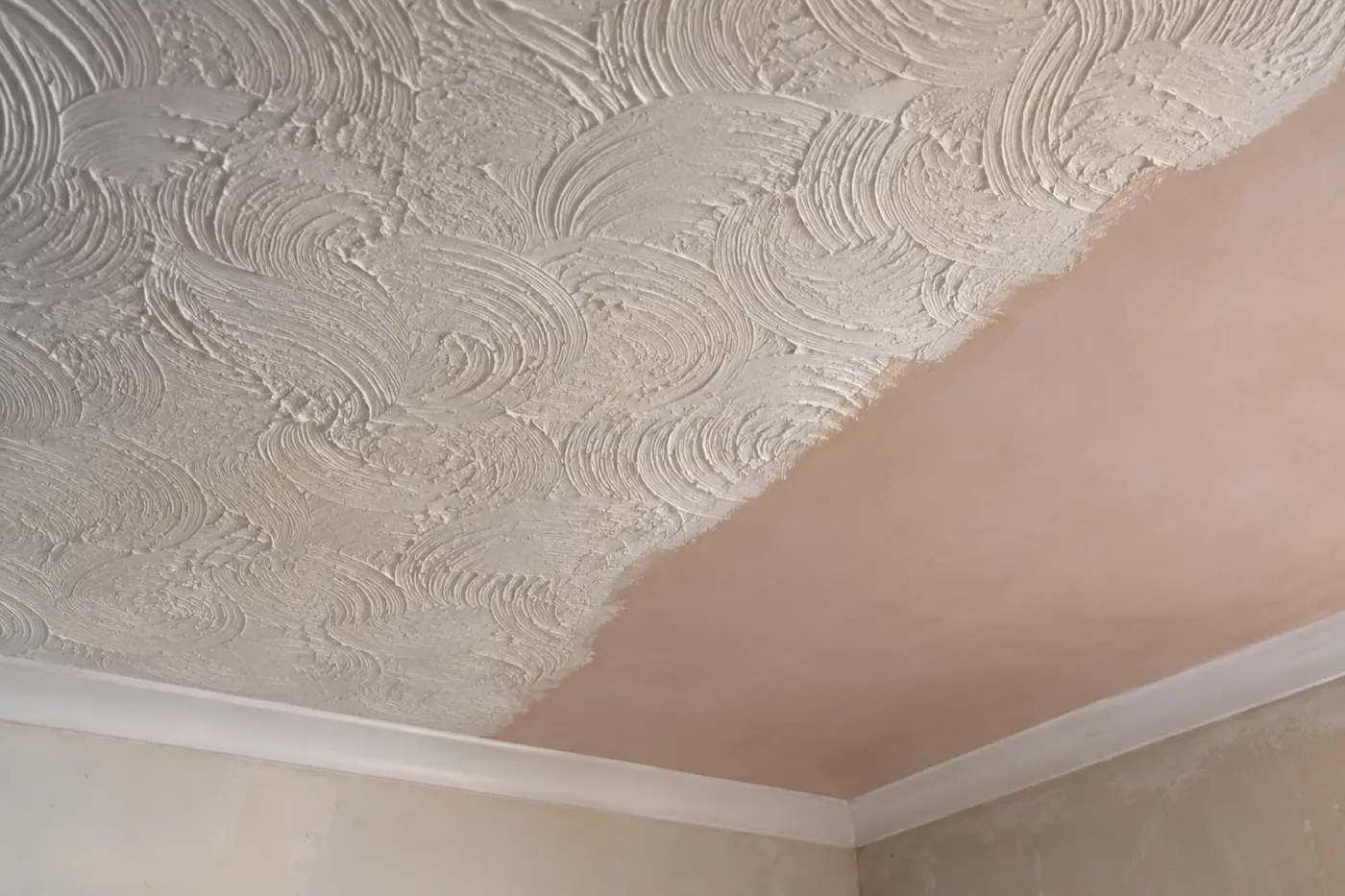
Artex ceilings
Older textured coatings can contain asbestos. Have it assessed before any work, then decide whether to leave it, cover it or remove it.
-
Cracks & blown plaster
Hairline cracks, board joints and loose patches. The plasterer should find the cause first, then agree the repair.
-
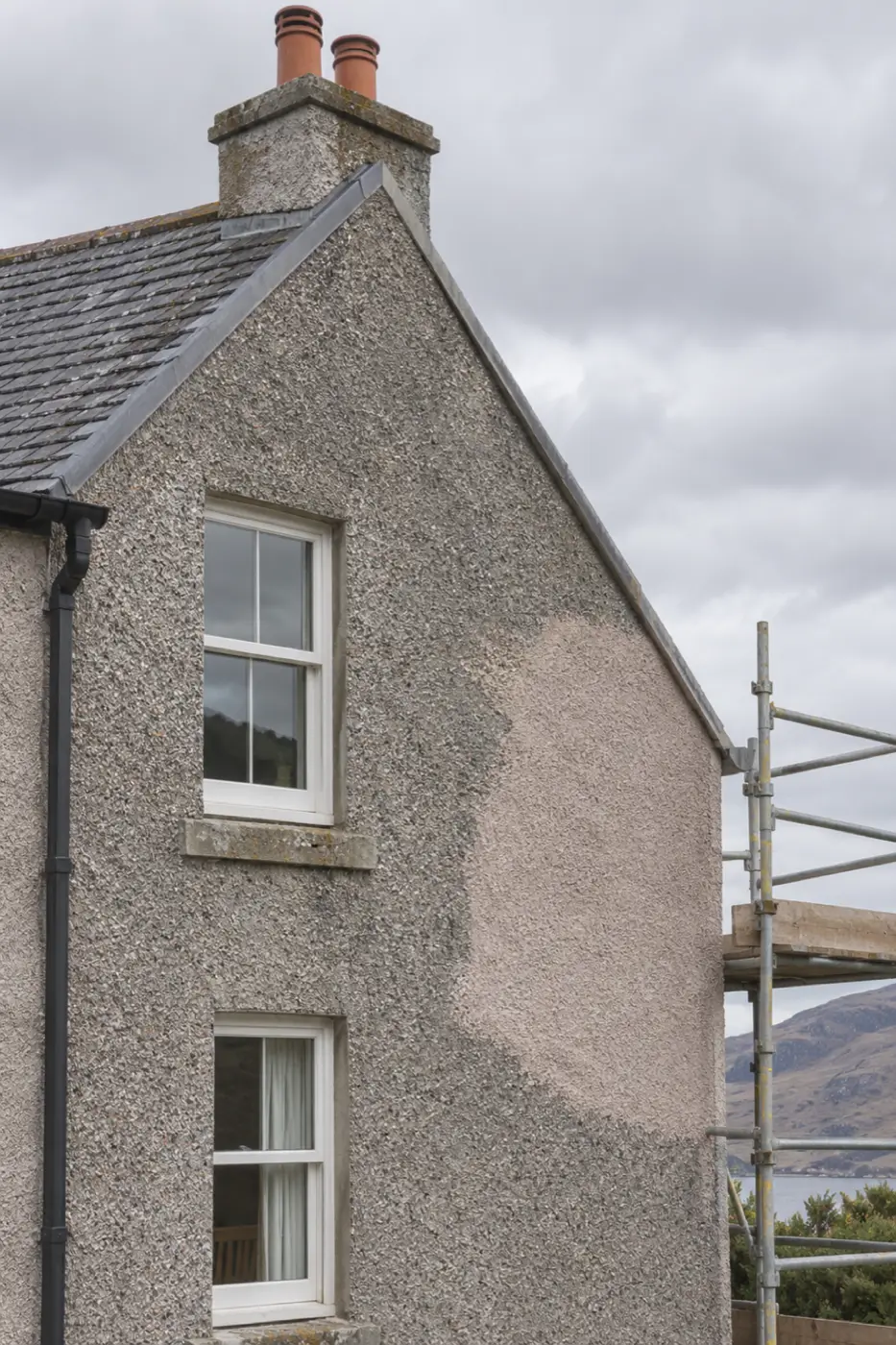
Roughcast & harling
Outside walls: patch repairs, dry dash or wet dash, and modern through-coloured render. Ask for scaffolding or access to be priced separately.
Skim or re-plaster? What a Glasgow plasterer will check
03Skim or re-plasterWhere the old plaster is sound, a skim may be all you need. Re-plastering means removing failed plaster and renewing the coats underneath, which is more work.
01Tap
A hollow sound can mean loose plaster, but it needs checking before anything is cut out.
02Strip
Wallpaper and loose paint can hide problems. More checks may be needed once they’re off.
03Decide
Check the wall first. If it’s bulging or damp, find and fix the cause, then agree whether to patch, re-plaster or board.
04Quote
In writing: which walls, skim or re-plaster, prep, beads, protection, clearing up, and how long.
Cracks in Glasgow walls and ceilings: normal or serious?
04CracksFine, stable cracks are often cosmetic. Some point to a problem that needs fixing before a plasterer can help.
Fine hairlines in new plaster
OftenShrinkage as it dries.
What to doUsually cosmetic. Show the plasterer before filling it.
NormalStraight lines across a ceiling
OftenA plasterboard joint.
What to doHave the joint and fixings checked before choosing a repair.
PlastererCracks along old lath ceilings
UsuallySeveral causes, including the plaster losing its grip on the laths.
What to doDon’t press or disturb it. Keep clear of any loose area and get it looked at promptly by someone who knows old ceilings.
Act promptlyDiagonal from door or window corners
Could beMovement in the building.
What to doGet a builder or surveyor to look before anyone plasters over it.
SurveyorWider than about 5 mm, or getting bigger
Could beMovement in the building.
What to doGet it checked, especially if doors stick or there are matching cracks outside. Photograph and date it.
SurveyorCracks with brown stains or bubbling paint
OftenMoisture getting in.
What to doFind and fix the cause before repairing the plaster.
Fix leak first
Damp and leaks: when a plasterer isn’t the first call
05Damp firstActive damp can damage new plaster. Find and fix the cause before repairing the finish.
The right order
- Find where the water is coming from: roof, gutter, pipe, the flat above, or condensation
- Get that fixed by the right trade: roofer, plumber, or the owner upstairs
- Let the wall or ceiling dry out. This can take weeks
- Have damaged plaster assessed: repair or replace
- Then plaster, and decorate once it’s fully dry
Signs of possible damp
- Brown or yellow stains on a ceiling
- Paint bubbling or flaking in one area
- Plaster that sounds hollow or feels soft
- A tide mark low on a wall
- Black mould in corners or behind furniture
- A musty smell that doesn’t clear
What a plasterer finds in Glasgow homes
06Your homeWhat’s on your walls depends on when the building went up. It changes the job, the materials and the price.
Roughly 1860s–1910s
Sandstone tenements
Lime plaster on timber laths for ceilings, lime on the stone or brick walls. High ceilings, cornices and ceiling roses.
Common jobsCracked or sagging lath ceilings, cornice repairs, patching old lime walls.
West End, Southside, Dennistoun, Govanhill, Partick, Paisley
Roughly 1920s–1930s
Cottage flats and semis
Mostly gypsum plaster on brick, some older ceilings still on lath.
Common jobsRe-skims, cracks where old and new plaster meet, ceiling repairs.
Knightswood, Mosspark, Riddrie, Rutherglen, Bearsden
Roughly 1945–1970s
Post-war council houses and new towns
Plasterboard ceilings, often finished in artex. Walls in wet plaster or board.
Common jobsArtex ceilings (test first), cracks along board joints, full re-skims.
East Kilbride, Cumbernauld, Drumchapel, Castlemilk, Easterhouse
1980s onwards
Newer houses and flats
Plasterboard stuck to block walls (dot and dab) with taped joints, sometimes skimmed.
Common jobsPatching after a new kitchen or rewire, popped screws, cracks at joints.
Across the city and new estates
Any age
Outside walls
Roughcast (harling) on most houses outside the city centre, render on some newer homes.
Common jobsPatch repairs, full re-harling, cracks letting water in.
Most of the towns around Glasgow
Tenement plastering in Glasgow: ceilings, cornices and common repairs
07TenementsWho fixes what in a tenement isn’t always obvious. These are common situations; your title deeds decide.
A leak from the flat above
Find what caused the leak. Who pays depends on what failed and your title deeds, and the upstairs owner’s insurance doesn’t automatically cover your ceiling. Photograph the damage and speak to your buildings insurer or factor.
Roof, gutters and the close
These are often shared between owners. Check your title deeds for repair shares and how decisions are made before anyone is instructed.
Overboard or take it down
Boarding over a lath ceiling can work, if it’s fixed securely to the joists. Loose plaster, cornices, the extra weight, any asbestos and the fire and sound separation between flats all need considering first.
Keeping the cornice
Damaged cornice can often be repaired or a length run to match. Ask whether the plasterer does this work before they quote.
Lime or gypsum
Traditional sandstone buildings commonly used lime mortar and plaster. Ask for repairs that are compatible with what’s already there.
Access and neighbours
Materials and rubbish go through the close. Let neighbours know, keep the stair clear, and check whether a skip needs a council permit.
Lime or gypsum in Glasgow sandstone tenements
08Lime or gypsumTraditional solid walls need finishes that let moisture dry out. The wrong coating can make damp worse.
Lime is usually right for
Repairing traditional lime plaster on solid stone or brick walls. Check what’s already there and where any moisture comes from first.
Gypsum is usually fine for
Dry plasterboard and other sound, compatible surfaces, following the product instructions.
Be careful with
Dense cement render or waterproof “tanking” on a traditional stone wall. Get specialist advice first.
A damp flag on a Home Report
Category 2 means a repair needs attention in future. Category 3 means urgent repair is needed now. Follow the surveyor’s advice and find the cause before choosing any damp treatment.
Artex ceilings in Glasgow: test, then decide
09ArtexTextured coatings put up before 2000 may contain asbestos. Before anything disturbs it, including drilling to fix boards, have it assessed by a competent person and tested by a UKAS-accredited lab if needed.
Leave it
An intact coating that won’t be disturbed can often be left where it is.
When it suitsGet advice if it’s damaged or work might disturb it.
Skim over it
Plastered over once the coating and ceiling have been checked.
When it suitsAny work over asbestos needs a suitable method and trained workers.
Overboard it
Plasterboard fixed over the top, then skimmed.
When it suitsCan suit deep patterns. Needs secure fixings, a safe method for drilling through the coating, and lights refitted.
Remove it
Softened and scraped off.
When it suitsNeeds a competent asbestos assessment first. Larger removal is normally notifiable work, and some work needs a licensed contractor.
HSE guidance on asbestos: hse.gov.uk/asbestos
Plasterers in Glasgow and the towns around it
10AreasMostly tenement flats in the city and post-war houses in the towns around it.

West End 
Southside 
East End 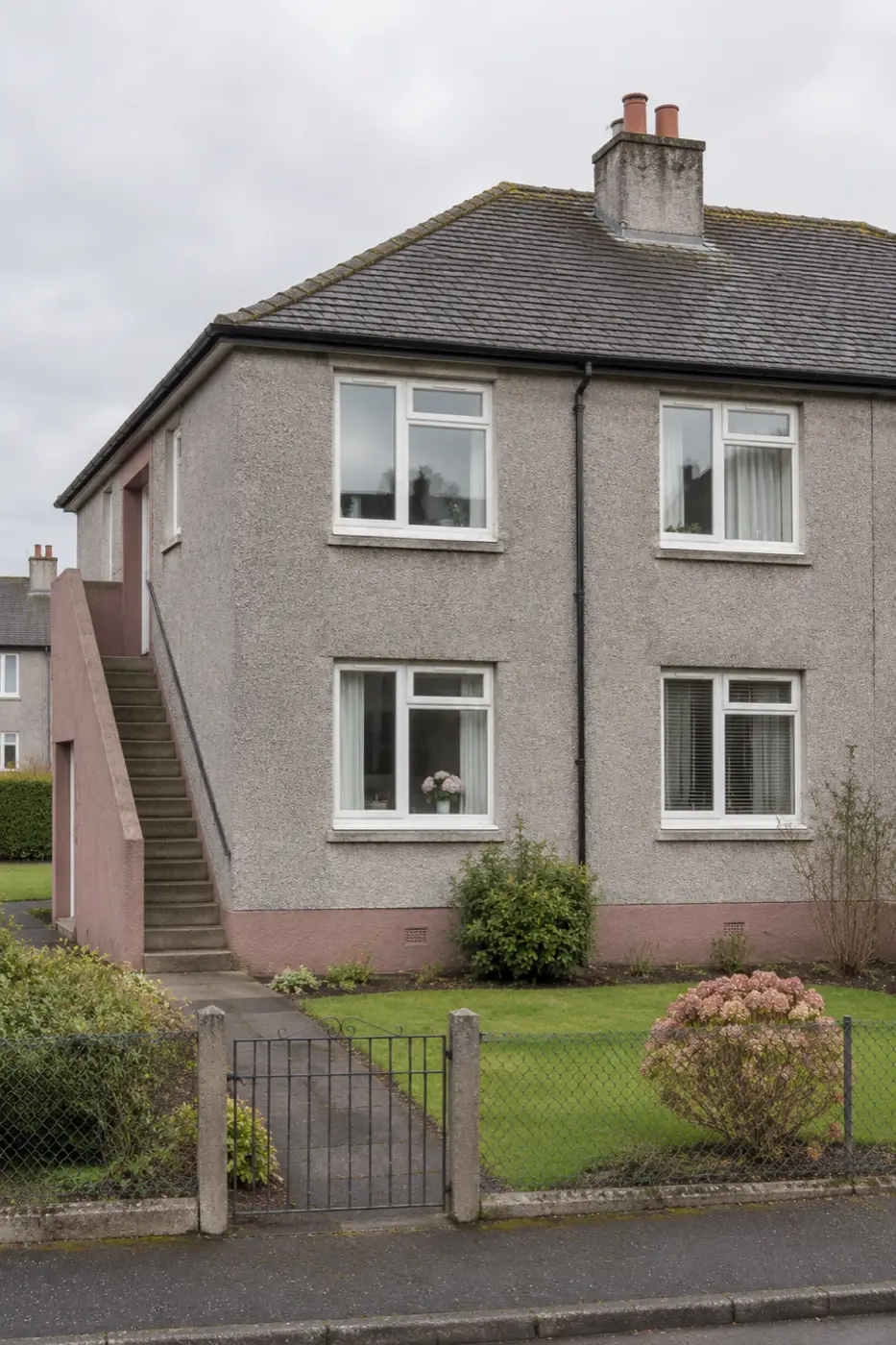
North Glasgow 
Paisley 
East Kilbride 
Cumbernauld 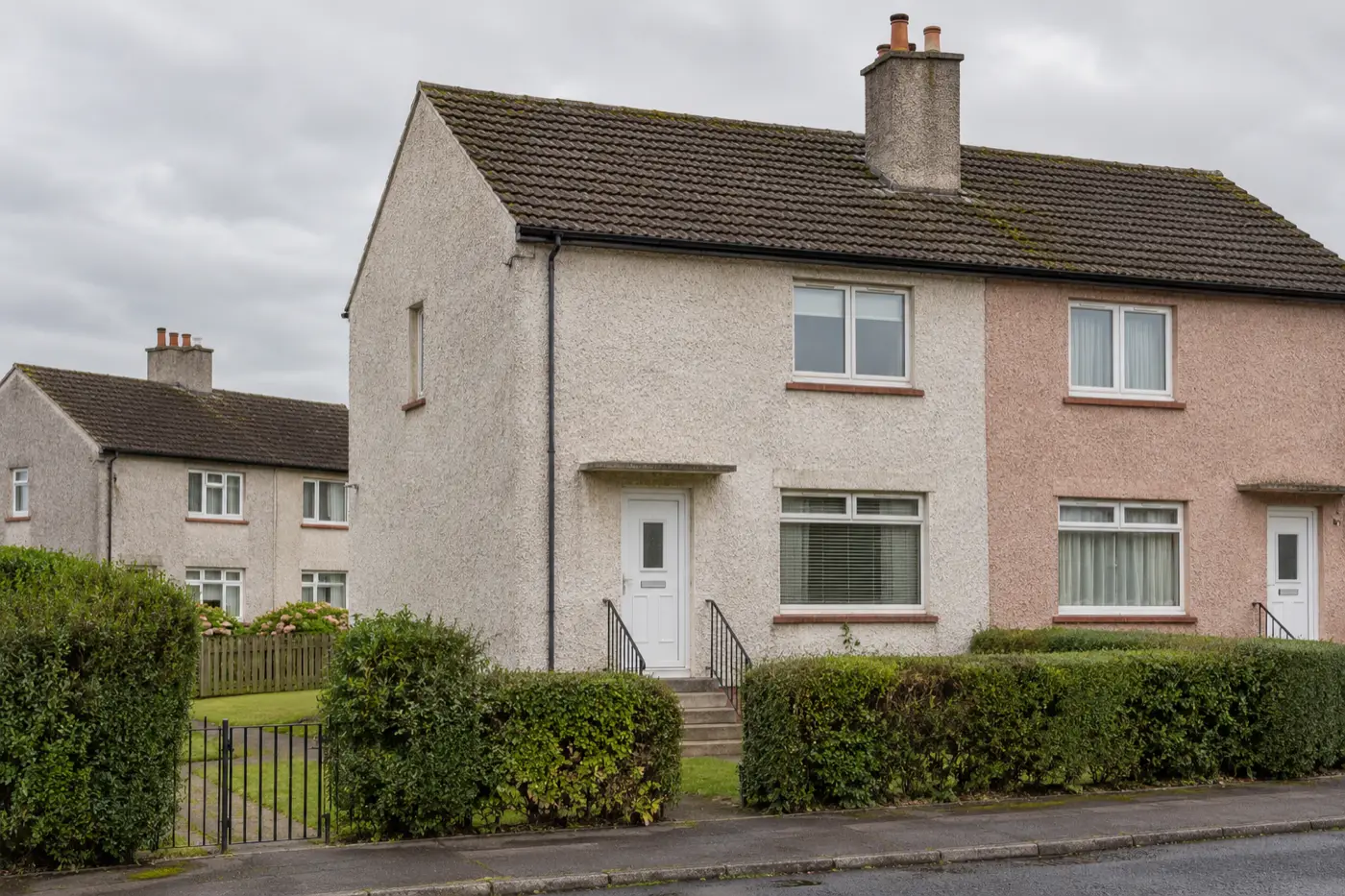
Motherwell & Wishaw 
Hamilton 
Airdrie & Coatbridge 
Clydebank 
Dumbarton
Plaster and render types Glasgow plasterers use
11FinishesWhat each one is and where it’s used.

Lime plaster
Used on old solid walls and in tenements. Lets moisture out of the wall. Takes longer to apply and costs more.

Multi-finish skim
The thin finishing coat on most walls. Goes on pink and dries pale.
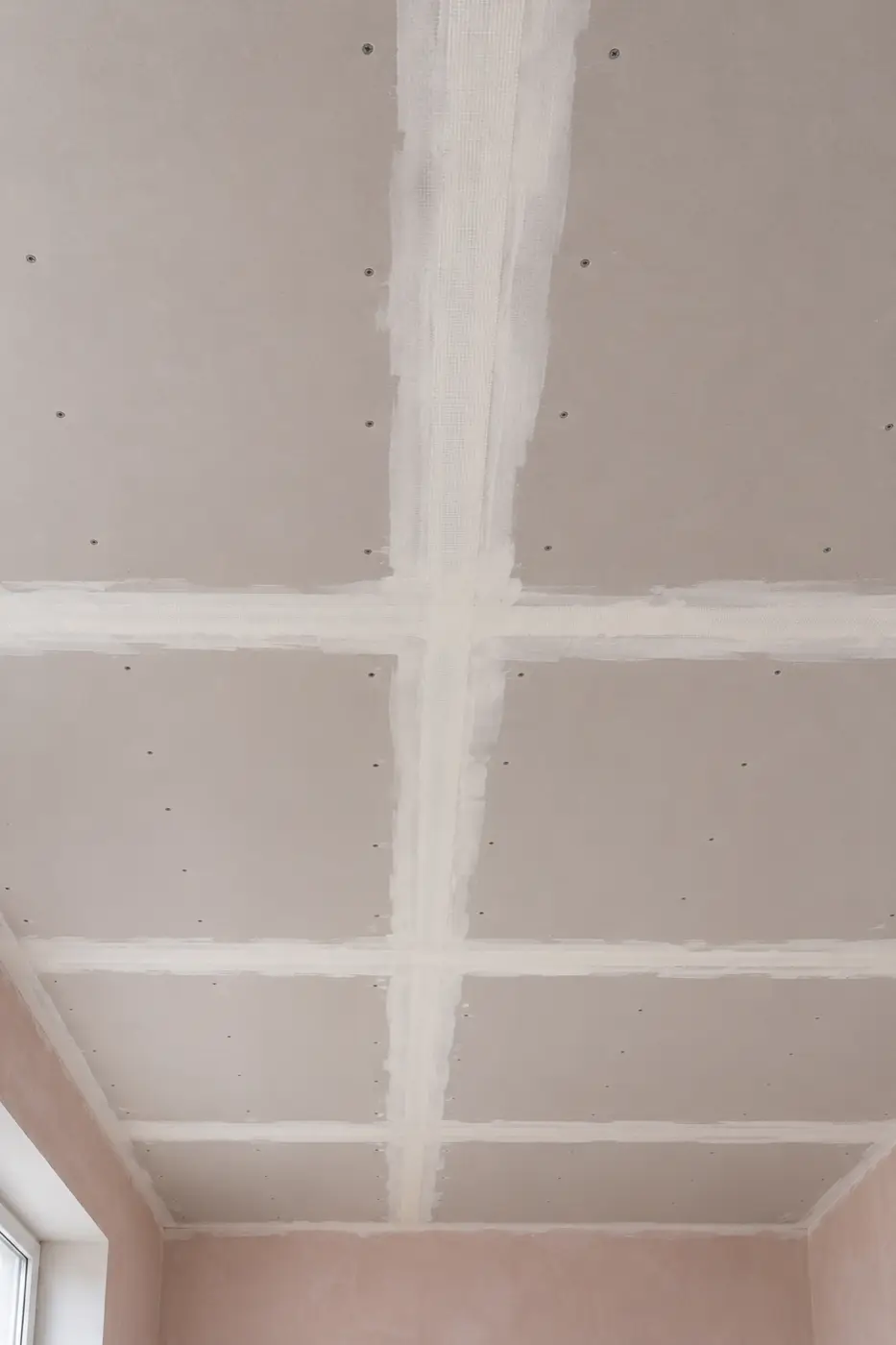
Plasterboard
Boards fixed to walls or ceilings, then skimmed. “Dot and dab” means boards stuck to a masonry wall with adhesive.
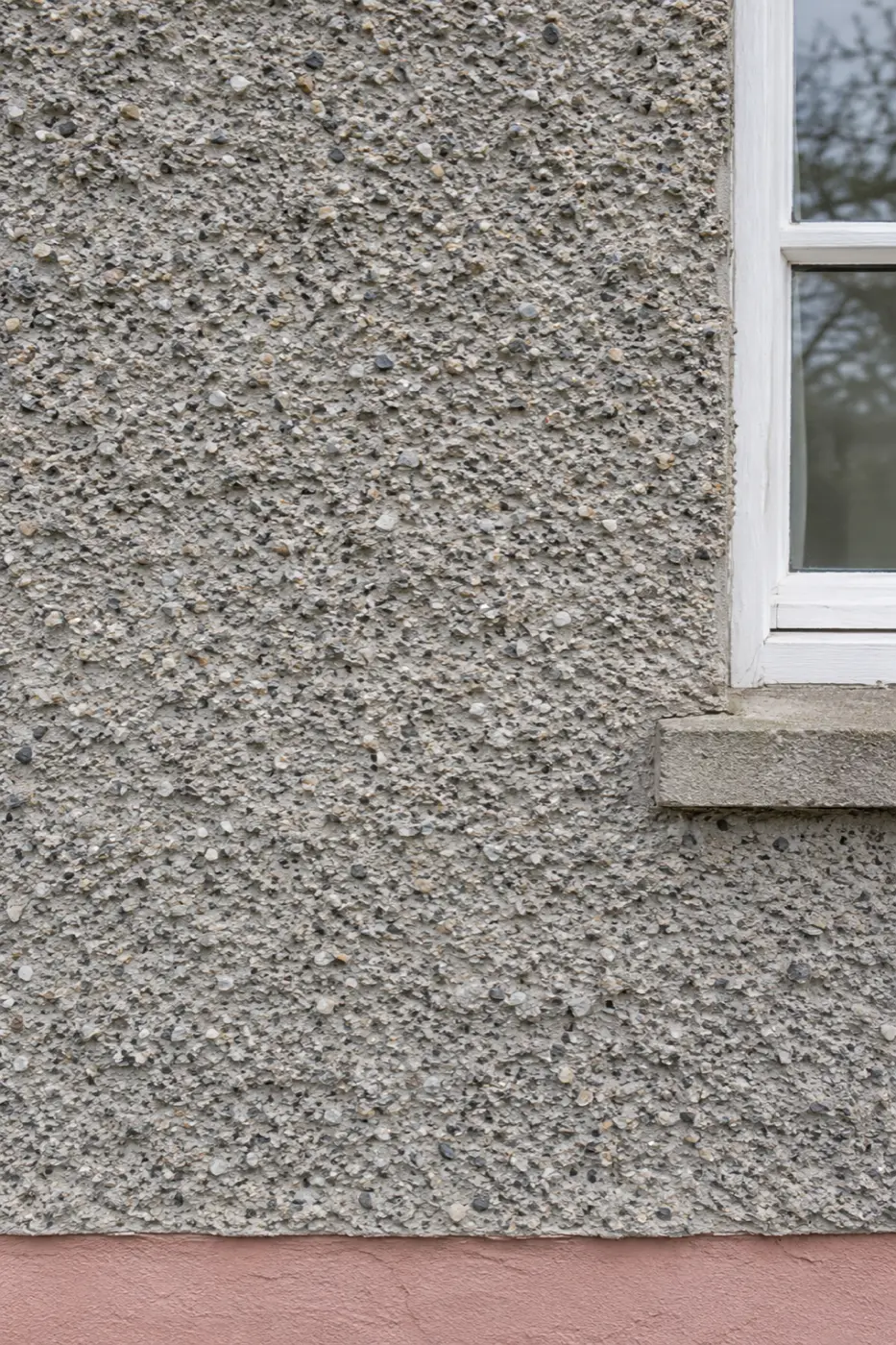
Roughcast
Also called harling. Render with stones thrown on (dry dash) or mixed in (wet dash).
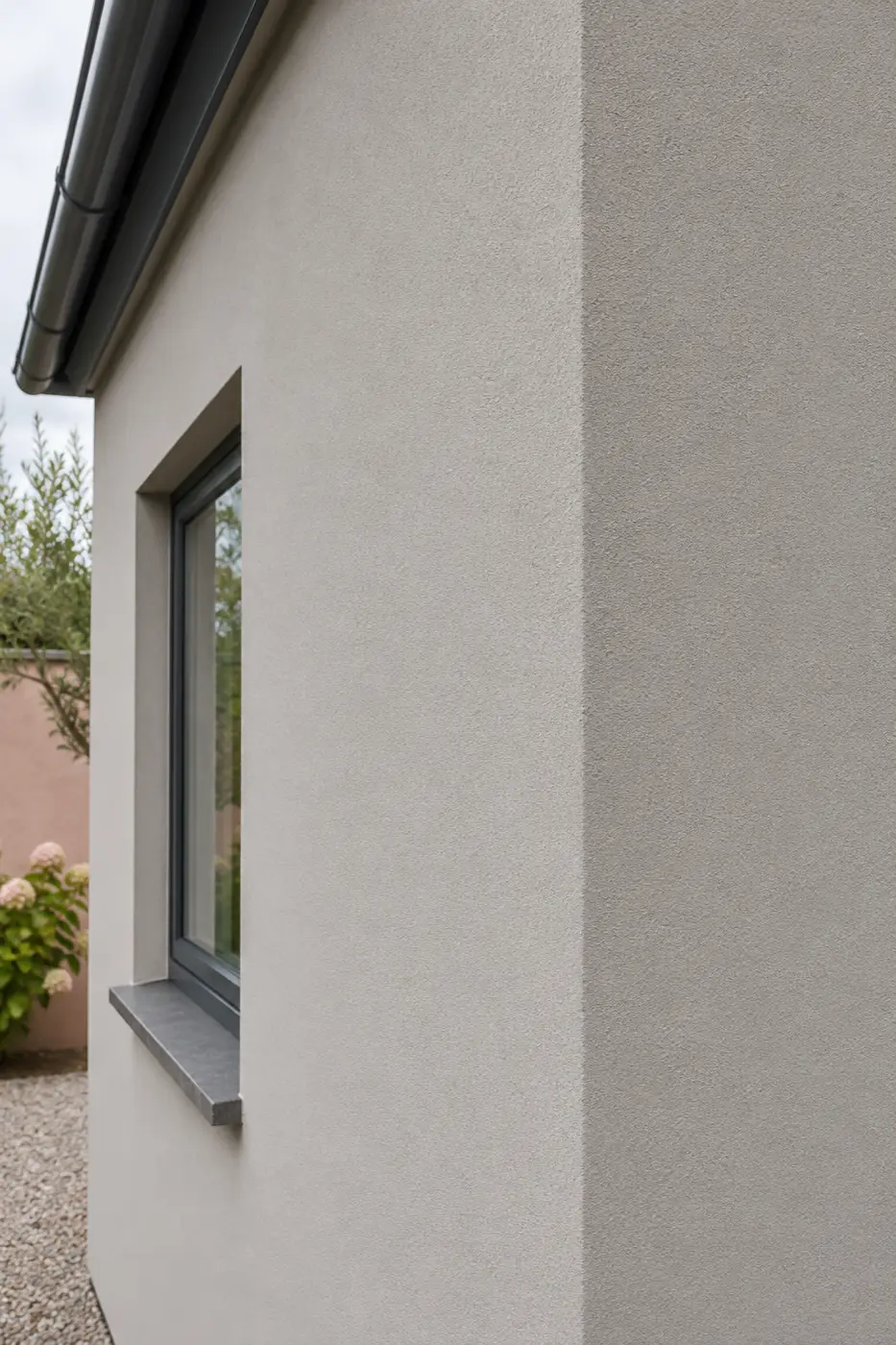
Silicone render
Coloured all the way through, so it doesn’t need painting. Costs more than roughcast.
Bathrooms, tiling and render: when plastering is only part of the job
12Bathrooms and renderSome jobs need more than one trade. Agree who does what before anyone starts.
Bathrooms and showers
Shower walls need a suitable tiling background and a waterproofing system. Agree the boards, membrane and joints with your tiler before work starts.
Ready for tiling
Agree a background that suits the boards, adhesive and tiles, including weight limits. Gypsum plaster must be fully dry first.
Kitchens
Plaster after the electrician and plumber have moved things, and before the units go in, where possible.
Outside walls
Follow the render maker’s weather limits and agree safe access. Ask for a sample patch to check the colour and texture match.
The order of trades: electrician, plumber, plasterer, decorator
13Order of tradesGetting the order wrong means plaster gets cut out again. This is the usual sequence for a room being renovated.
Fix leaks and damp
Roofer, plumber or the owner upstairs. Then let the walls dry.
Structural work
Walls taken out, openings made, steels in. A building warrant may be needed.
First fix
The electrician runs new cables and chases walls. The plumber moves pipes and takes radiators off the walls being plastered.
Protect sockets and switches
Power off, faceplates loosened, and covers fitted so plaster doesn’t fill the boxes.
Plastering
Boarding, beads, any bonding coat, then the skim.
Drying
Days for a skim on board, weeks for thicker coats on old walls.
Second fix
Skirting, door facings and flooring go on. Faceplates and radiators go back.
Decorating
Mist coat, then paint or paper. Tiling once the wall is dry.
The mist coat isn’t usually in a plastering price. Check whether you, the plasterer or the decorator will do it.
Rules and permissions for plastering in Glasgow
14Rules and permissionsA straightforward skim inside your home generally needs no permission. These are the cases to check, and where.
Inside your flat
Plaster inside your flat is generally your own responsibility. Check first if the work affects shared structure, services, fire separation between flats, or protected features. Tenants should ask their landlord.
Check: Under One Roof: underoneroof.scot
Roughcast, roof and close
Outside walls, the roof and the common close are usually shared. Follow the repair and voting rules in your title deeds. Where they don’t cover it, the Tenement Management Scheme may apply.
Check: Under One Roof: underoneroof.scot
Listed buildings
Get council advice before removing or covering historic plasterwork in a listed building. Work that affects its character needs listed building consent.
Check: Historic Environment Scotland and Glasgow City Council
Conservation areas
Changing the outside finish, such as replacing roughcast with a different render, may need planning permission. Inside work usually doesn’t.
Check: Glasgow City Council: conservation areas
Building warrants
A simple skim or like-for-like repair generally doesn’t. Ask building standards before removing walls or changing a floor or ceiling between flats.
Check: eBuilding Standards: ebuildingstandards.scot
Asbestos
Have suspect coatings assessed before any work that might disturb them, including drilling for boards.
Check: HSE: hse.gov.uk/asbestos
Skips and parking
A skip on the road needs a council permit, usually arranged by the skip company. Check the council’s parking rules for the address in case a permit or bay suspension is needed.
Check: Your local council: Glasgow, Renfrewshire, North or South Lanarkshire, West or East Dunbartonshire
Before you get quotes from a plasterer in Glasgow
15Before you get quotesTen minutes on these saves a lot of back and forth with plasterers, and gets you prices you can compare.
- 01
Which rooms and surfaces
List each wall and ceiling separately. Ceilings take longer than walls, and a quote for “the living room” can mean different things to different people.
- 02
Skim or re-plaster
Most rooms only need a skim. If you’re not sure, ask the plasterer to tap the walls and tell you which areas are blown before they price it.
- 03
Other trades first
New sockets, moved pipes, new windows and doors should all be done before plastering. The decorator comes last, once the plaster is dry.
- 04
Timing
Spring and summer are the busiest months. Plaster dries slower in a cold Glasgow winter, so leave more time before decorating or new carpets.
- 05
Living in or empty
An empty room is quicker and cleaner. If you’re living in, expect dust beyond the room even with good protection.
- 06
Tenement extras
Materials and rubbish go up and down the close, so let neighbours know. Parking permits, top-floor carries and a skip permit from the council can add to the cost.
- 07
Old and listed buildings
In a listed building or conservation area, ask about lime plaster and keeping original cornices. Check with the council before removing original features.
- 08
Budget and quotes
For bigger jobs get two or three written quotes and compare what each one includes, not only the total.
What to send a Glasgow plasterer for an accurate price
16What to sendA plasterer can price a lot from good photos and a few measurements. The more of this you send, the fewer surprises later.
What a Glasgow plastering quote should include
17Your quoteQuotes for the same room can differ a lot because they include different things. Get it in writing and check these.
Usually included
- Covering floors and furniture
- Preparing the walls: removing loose plaster, sealing, bonding coat
- Corner and edge beads
- The skim or re-plaster itself
- Clearing up at the end of each day
Often not included, so ask
- Stripping wallpaper or woodchip
- Taking off and refitting radiators, skirting or coving
- Loosening sockets and switches (often an electrician)
- Taking the old plaster and rubbish away, or a skip
- Repairing cornice or ceiling roses
- Painting, including the mist coat
- What happens if a ceiling turns out to be unsound once work starts
If extra work turns up once the job starts, such as a blown wall or a weak ceiling, a good plasterer stops, shows you, and agrees the price with you before carrying on.
Getting the room ready for your plasterer
18Getting readySome plasterers do all of this, some expect you to. Agree who does what when you get the quote.
Before the day
- Empty the room, or move furniture to the middle so it can be covered
- Take down pictures, mirrors, curtains, poles and blinds
- Ask an electrician to loosen or isolate socket and switch plates if the plasterer needs them off
- Strip the wallpaper if you’ve agreed to do it yourself
- Lift or cover carpets. Plaster splashes and dust are hard to get out
- Clear a path from the front door to the room
- Let your neighbours know if materials will go through the close
On the day
- Somewhere to mix: a yard, the back court or a protected area
- Access to cold water
- A toilet the plasterer can use
- Pets and children kept out of the room
- Windows that open, for drying
- Heating on low and steady, not high
How a plastering job in Glasgow usually goes
19Order of workA typical one-room skim. Bigger jobs take longer, and drying time depends on the room and the weather.
- 01
Protect & strip
Floors and furniture covered, old paper and loose plaster off.
Day 1
- 02
Repair & board
Blown patches cut out, cracks taped, boards fixed where needed.
Day 1–2
- 03
Skim
Two thin coats, trowelled smooth.
Day 2–3
- 04
Dry
The plaster goes from dark pink to pale. Keep the room warm and aired.
Days to weeks
- 05
Mist coat
Watered-down matt emulsion first, then paint as normal.
Once dry
Checking your plasterer’s work and looking after new plaster
20AftercareWhat to look for before the plasterer leaves, and what to do while it dries.
Same day
Walk round with the plasterer in the room’s normal light. Look at corners, edges around sockets and window reveals, and raise anything you’re not sure of.
First few days
Follow the drying advice for the plaster used. Keep furniture off the walls and ask when it’s safe to decorate and fix things.
When it’s pale and even
Pale, even colour is a good sign with gypsum, but make sure it’s fully dry before decorating.
Before tiling
Tiles need a dry background that can take their weight. Check the board and plaster system with your tiler before the job.
Torch test
Look at the walls in the light you’ll actually use. Discuss anything that stands out with the plasterer before decorating.
Within a few weeks
Show new cracks to the plasterer before filling them. Get prompt advice for widening cracks or loose plaster.
Wallpaper
Wait until the plaster is fully dry, then size it or use a wallpaper primer first.
Pictures and shelves
Wait until it’s dry. Choose fixings for the wall and the load, and check for pipes and cables before drilling.
Small marks
Raise obvious ridges, rough or loose areas with the plasterer before decorating. Agree who does any minor filling.
Don’t force it
Let new plaster dry naturally. Heaters or a dehumidifier used to speed it up can make it crack, unless the plaster maker approves a method.
Patchy colour
Some areas dry faster than others, so patchy colour while it dries is common. Ask about patches that stay dark or look damp.
Mist coat
Use a paint or primer suitable for new plaster and follow its dilution instructions. Lime plaster needs a compatible paint.
Cleaning up dust
The plasterer should clear building dust with suitable extraction; then damp-wipe what’s left. Never use an ordinary vacuum on debris that might contain asbestos.
Before you pay the balance
Check the agreed work is done and raise any defects before the final payment. Put any outstanding work and payment terms in writing.
One plasterer
21One plastererWe send each job to one plasterer in Glasgow who covers your area. Nobody else gets your details.
Matched to your job
Matched by area and by the type of job, so the person who comes out does that work.
Free for you
Plasterers pay us a fee for each job we send them. You pay the plasterer for the work and nothing to us. There’s no obligation to go ahead.
Checked first
We look at recent work and reviews, and check they can fit your job in, before we send a plasterer any jobs.
How we find the best plasterers in Glasgow
22What we checkBefore we send a plasterer any work.

LocalThey work in or near your area 
Recent workPhotos of jobs they’ve done 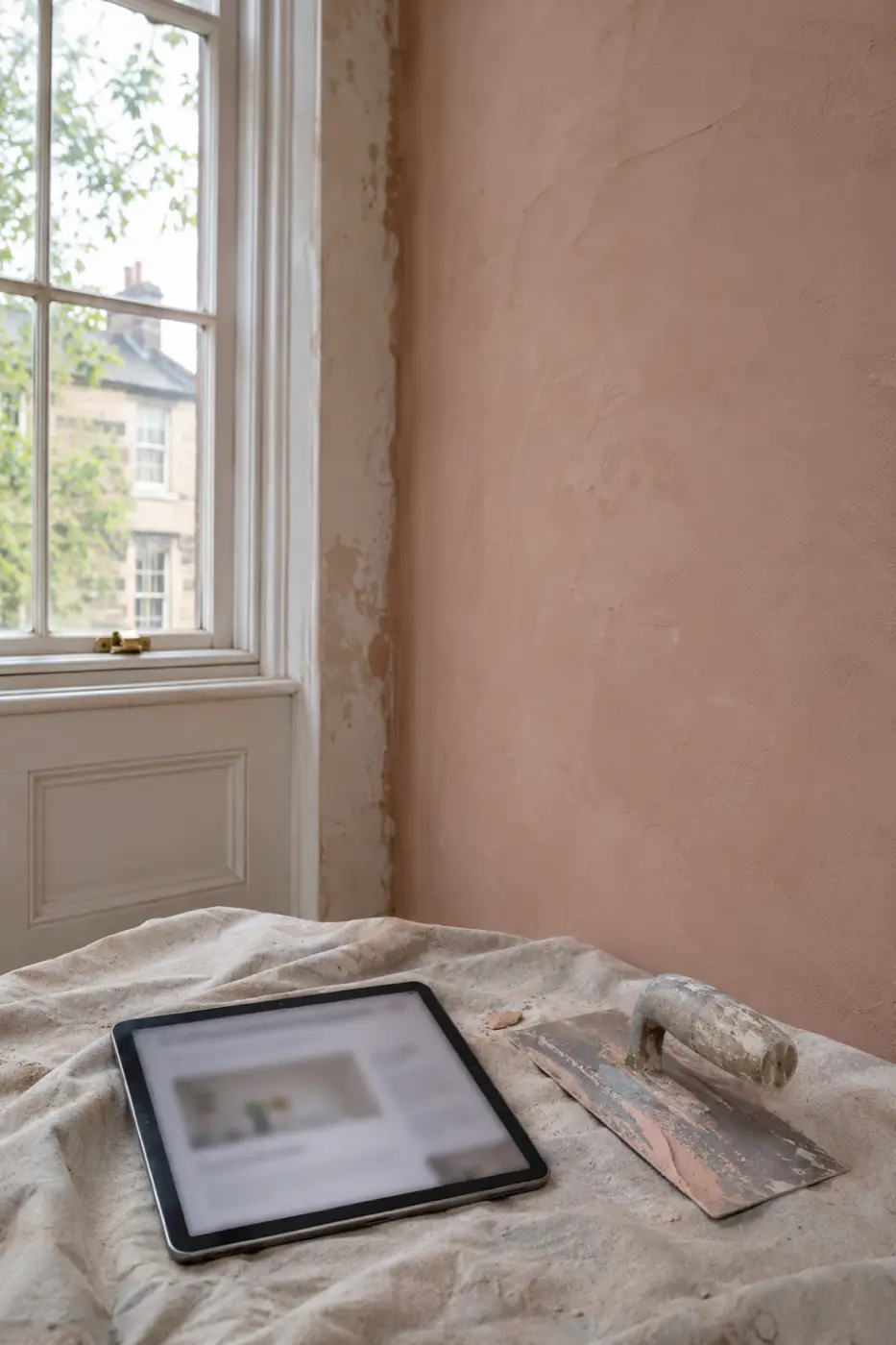
ReviewsTheir Google and Checkatrade reviews 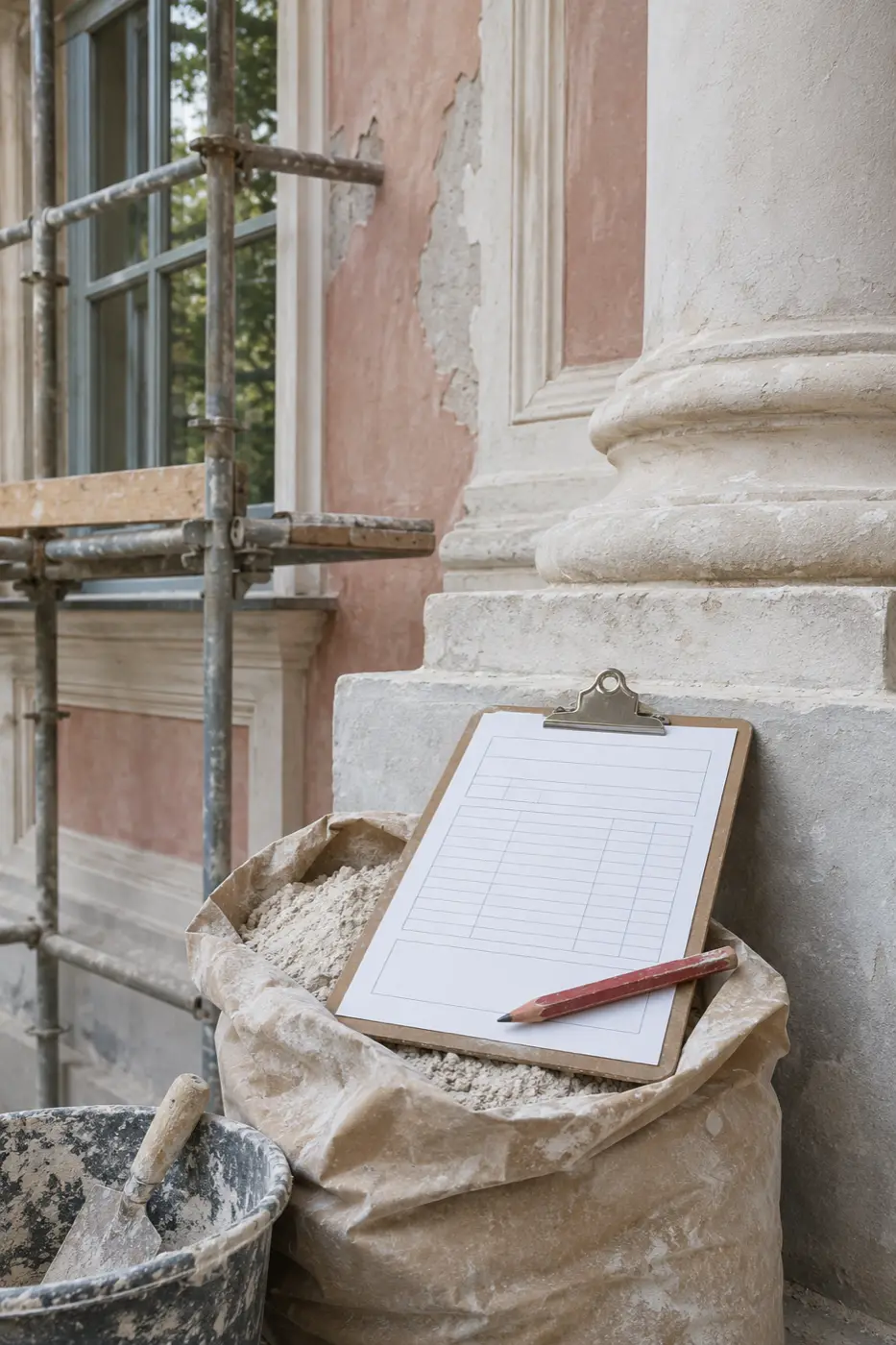
Written quotesThey agree to quote in writing 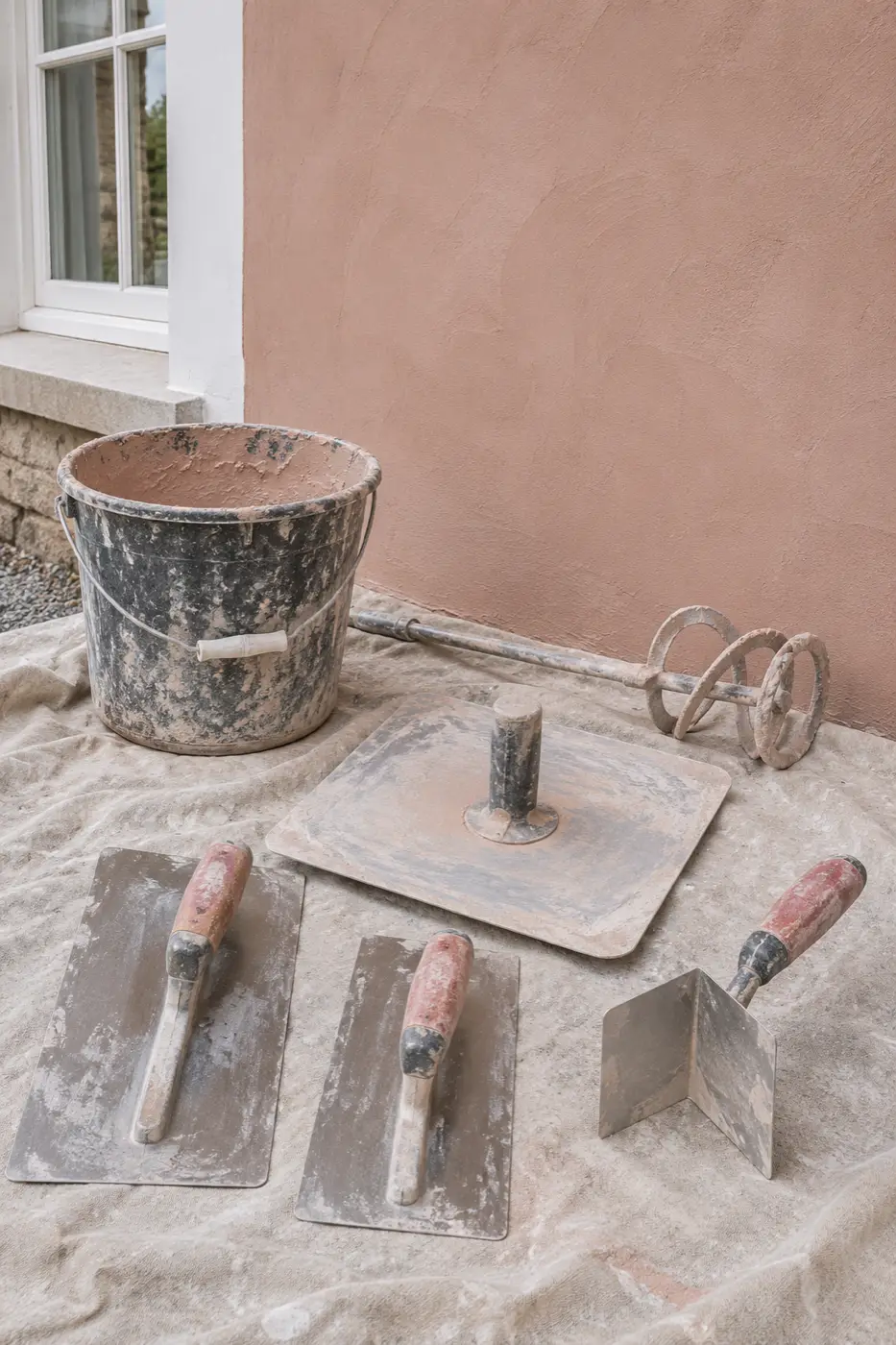
The right fitThey do the type of work you need 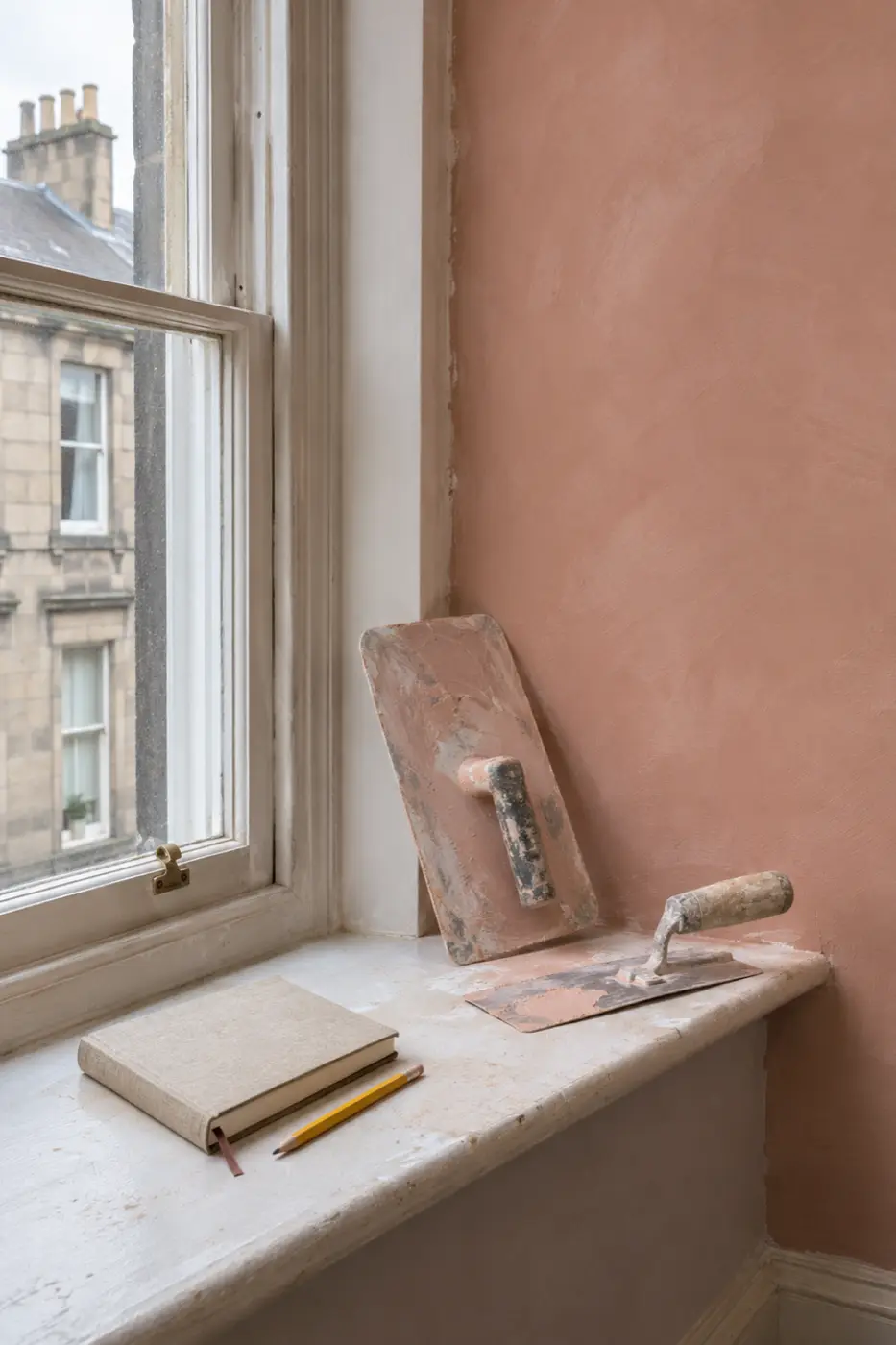
AvailableThey have time to take on your job
What plastering costs in Glasgow
23CostsUK guide figures from the sources named, not Glasgow quotes. What the best plasterers in Glasgow charge depends on your job, materials and VAT.
Plasterer’s day rate: about £180–£300.
Small jobs may have a minimum charge. Ask whether the price is fixed or by time.
Day rateMyJobQuote £180–£250 · Checkatrade about £300
Re-skim a medium room: about £480.
Re-skimming a room of roughly 3 m × 3 m. Check whether your quote includes the ceiling and preparation.
Medium roomUK guide · Checkatrade
Re-skim a large room: about £650.
Re-skimming a room of roughly 6 m × 5 m. Check what surfaces and preparation are included.
Large roomUK guide · Checkatrade
Lab analysis of an artex sample: about £66.
One example: SGS lists £66 including VAT per sample, results in five working days. Sampling and postage can cost extra.
Artex testSGS · see HSE guidance
Plastering cost calculator for Glasgow homes
24Cost calculatorA rough budget from published UK guide prices. It isn’t a quote: a plasterer in Glasgow will price your job after seeing it.
What changes the price of plastering in Glasgow
25What changes the priceTwo jobs the same size can be priced very differently. These are the usual reasons.
Ceiling height
High ceilings can need a tower or platform. Give the ceiling height when you ask for a price.
More timeGetting there
Top floor with no lift, a narrow close, or no parking near the door.
More timeWhat’s on the wall
Wallpaper, loose paint and damaged areas need preparing. Suspect textured coatings need assessing first.
More prepMaking good
Filling chases after a rewire, beading corners and fiddly areas around windows.
More timeSize of the job
Small jobs may have a minimum charge. Ask what it is.
Minimum chargeLime or gypsum
Ask for lime repairs to be specified and priced separately, including any return visits.
Higher rateOutside work
Roughcast and render usually need scaffolding. Ask for it to be itemised.
ScaffoldingRubbish
Old plaster is heavy. Ask whether taking it away is included.
AskTime of year
Check availability and agree dates before booking other trades.
AvailabilityFixed price or day rate
Agree whether it’s a fixed price or a day rate, what it covers, and how unexpected extra work will be charged.
Ask whichStairwells and landings
Tall stairwells need boards or a tower over the steps, and more setting up.
More timeWindow reveals
Squaring up and beading reveals, often after new windows, is fiddly work.
More timeBonding coat
Chased walls, removed tiles or crumbling old walls may need building out before the skim.
Extra coatSeveral rooms at once
Ask whether doing several rooms together changes the total price.
AskVAT
VAT-registered contractors normally charge 20% VAT on domestic repair work, including materials. Ask for the total price including VAT.
Check VAT
Questions to ask any plasterer in Glasgow
26Ask a plastererWhether you use us or not, these help you compare plasterers in Glasgow and avoid problems.
- 01
Can you come and look before you quote?
Photos get you a rough price. A visit gets you a firm one.
- 02
Is it a skim or a re-plaster, and why?
A good plasterer will show you which areas are blown.
- 03
What’s included?
Stripping, prep, beads, protection, clearing up and taking rubbish away.
- 04
How many days on site, and how long to dry?
So you can book the decorator and plan around the work.
- 05
Will you do the work yourself?
Some firms send someone else. Ask who turns up.
- 06
Can I see photos of similar jobs?
Especially for cornices, tenement ceilings, lime or artex.
- 07
How do you want to be paid?
A small deposit for materials is common. Paying most of it up front isn’t.
- 08
What happens if you find more work?
You want them to stop and agree any extra price before carrying on.
- 09
What if something isn’t right afterwards?
Ask how they handle snags and how long they’ll come back to fix them.
Questions about plasterers in Glasgow
27QuestionsCommon questions from homeowners looking for a plasterer.
Which areas do your Glasgow plasterers cover?
Glasgow and the towns around it: Paisley, East Kilbride, Cumbernauld, Motherwell, Hamilton, Airdrie, Coatbridge, Clydebank, Dumbarton and nearby.
Do you do the plastering?
No. Best Glasgow Plasterers is a matching service. One independent local plasterer quotes you and you pay them directly.
Will lots of plasterers in Glasgow call me?
No. One plasterer gets your details. If they can’t help, we tell you before passing it to anyone else.
How do you pick the best plasterers in Glasgow?
We look at photos of their recent jobs, read their reviews, check they work in your area and do the type of job you need, and ask them to quote in writing.
How long does plaster take to dry?
It depends on the plaster, thickness, background and conditions. Pale, even colour is a good sign with gypsum, but ask the plasterer before decorating.
When can I paint new plaster?
When it’s dry. First a mist coat: matt emulsion watered down to the ratio on the tin. Then paint as normal.
Is my artex ceiling dangerous?
Older textured coatings can contain asbestos. Left alone it’s low risk; get a sample tested before any sanding or scraping.
Can you plaster over wallpaper?
No. Plaster won’t bond properly to paper, so it has to come off first. Agree whether you or the plasterer will strip it.
Can you skim over painted walls?
Often, if the paint is sound and the surface is prepared properly. Loose or flaking paint has to come off.
Will a skim stop cracks coming back?
It hides fine cracks. Cracks caused by movement or damp usually come back unless the cause is fixed first.
How messy is plastering?
Mixing and stripping are dusty, and the skim itself can splash. Good protection keeps most of it in the room, but expect some dust elsewhere.
Can a plasterer in Glasgow work in winter?
Inside, yes, with the heating on. It takes longer to dry. Outside render and roughcast need dry, frost-free weather.
Who takes off the sockets and switches?
An electrician should isolate or loosen them. Many plasterers will ask for this to be done before they start.
How much does a Glasgow plasterer charge for a tenement ceiling?
It depends on the height, the size and whether the old lath ceiling is sound. Send photos, the room size and the ceiling height for a proper price.
Is it normal for new plaster to crack?
Show any new cracks to the plasterer before filling them. Get prompt advice if cracks widen or plaster comes loose.
Should damp be fixed before plastering?
Yes. Find and fix the cause, let the wall dry, then plaster. New plaster over active damp usually fails.
Do I need to take down an old ceiling, or can it be overboarded?
It depends on its condition, fixings, cornices, any asbestos, and the fire and sound separation between flats. Get it assessed before deciding.
Will the plasterer take off radiators and skirting?
Some do, some don’t, and a radiator may need a plumber. Ask, and get it written into the quote.
Do plasterers take the old plaster away?
Not always. Old plaster is heavy, and a skip may need a council permit on the street. Check the quote.
Do your Glasgow plasterers work in tenement flats?
Yes. Tell us the floor, whether there’s a lift, and about any cornices, and we’ll match you to someone who does tenement work.
What happens if extra work is found once the job starts?
The plasterer should stop, show you, and agree any extra cost before carrying on.
How do I clean plaster dust off floors?
The plasterer should clear building dust with suitable extraction. Then damp-wipe what’s left. Never use an ordinary vacuum on debris that might contain asbestos.
Should I ask a Glasgow plasterer for a fixed price or a day rate?
A fixed price suits a clear skim you can see. A day rate is common when old plaster is being stripped and the wall underneath is unknown. Either way, get it in writing.
Are roll-on plasters worth it for a small wall?
They can smooth a lightly textured wall for a DIY job. For a full room, an uneven wall or a ceiling, a plasterer will get a far better finish.
What should I check when hiring a plasterer in Glasgow?
Photos of their own recent work, recent reviews, a written quote, and that they’re insured. Check any scheme membership they claim directly. Some councils run Trusted Trader schemes; TrustMark is a separate government-endorsed scheme.
Can I use a dehumidifier on new plaster?
Let it dry naturally. Only use a dehumidifier if the plaster maker approves the method for that plaster.
Does the plasterer do the mist coat?
Usually not. It’s normally the decorator or you. Check the quote.
Describe your Glasgow plastering job
28Your jobTell us what needs doing and where. We read every job, then pass it to one of the best plasterers in Glasgow who covers your area.
- Area
- Glasgow and the surrounding towns
- Cost
- Free for you, no obligation
- Who calls you
- One local plasterer
- [email protected]
- What we do
- Pass your job to a local plasterer. We don’t do the plastering.